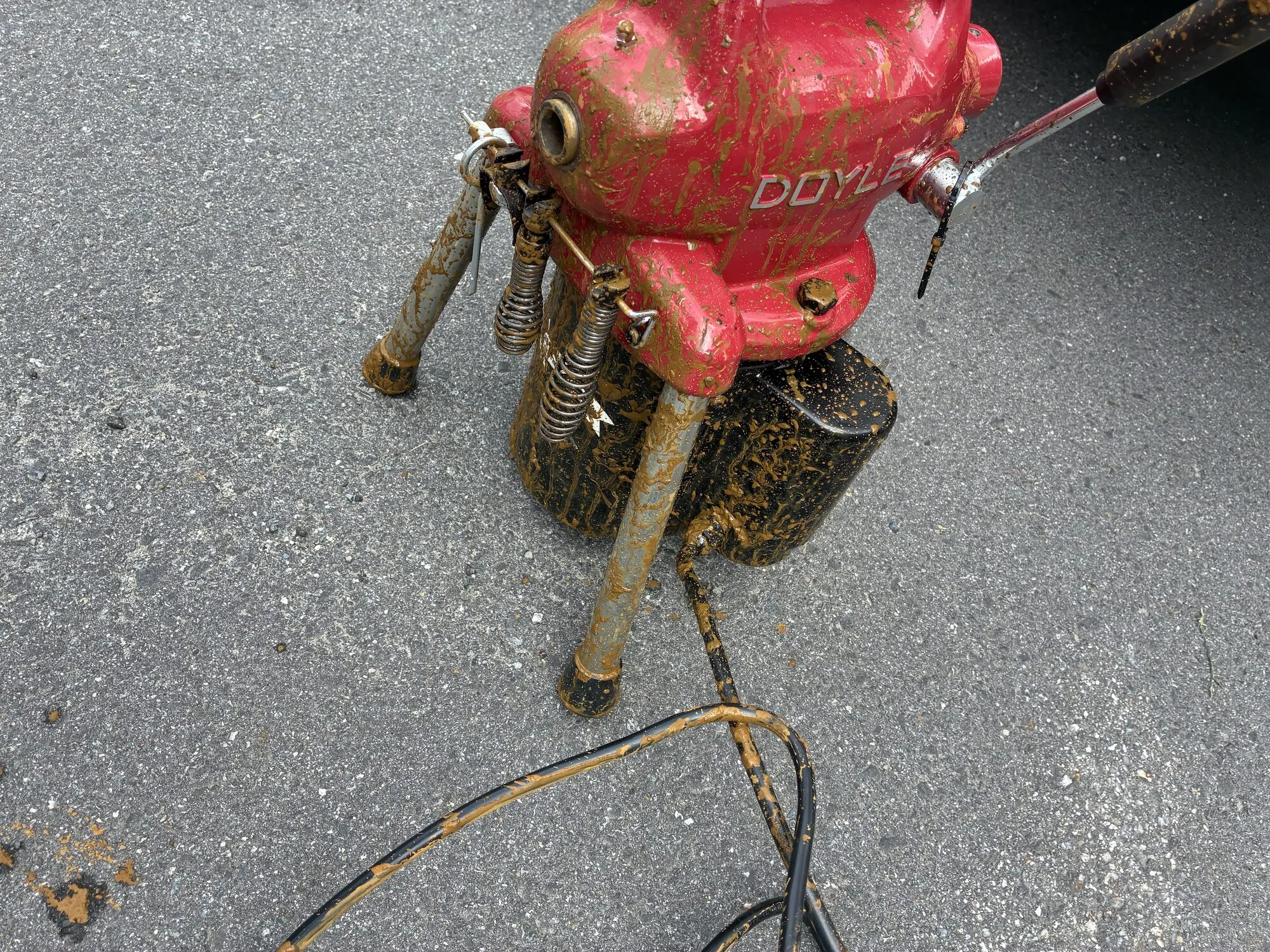
Pump Station Repair, Maintenance & Replacement in Central Vermont
Sewage Pump Stations That Keep Running
Sewage pump station repair in central Vermont usually starts with an alarm. A light is flashing on a panel by the garage, a buzzer is going off in the basement, or the drains in the house have started to slow down all at once. When a house or building sits lower than the sewer main or the leach field, a pump station is what moves the wastewater uphill, and when it stops, everything upstream of it stops too.
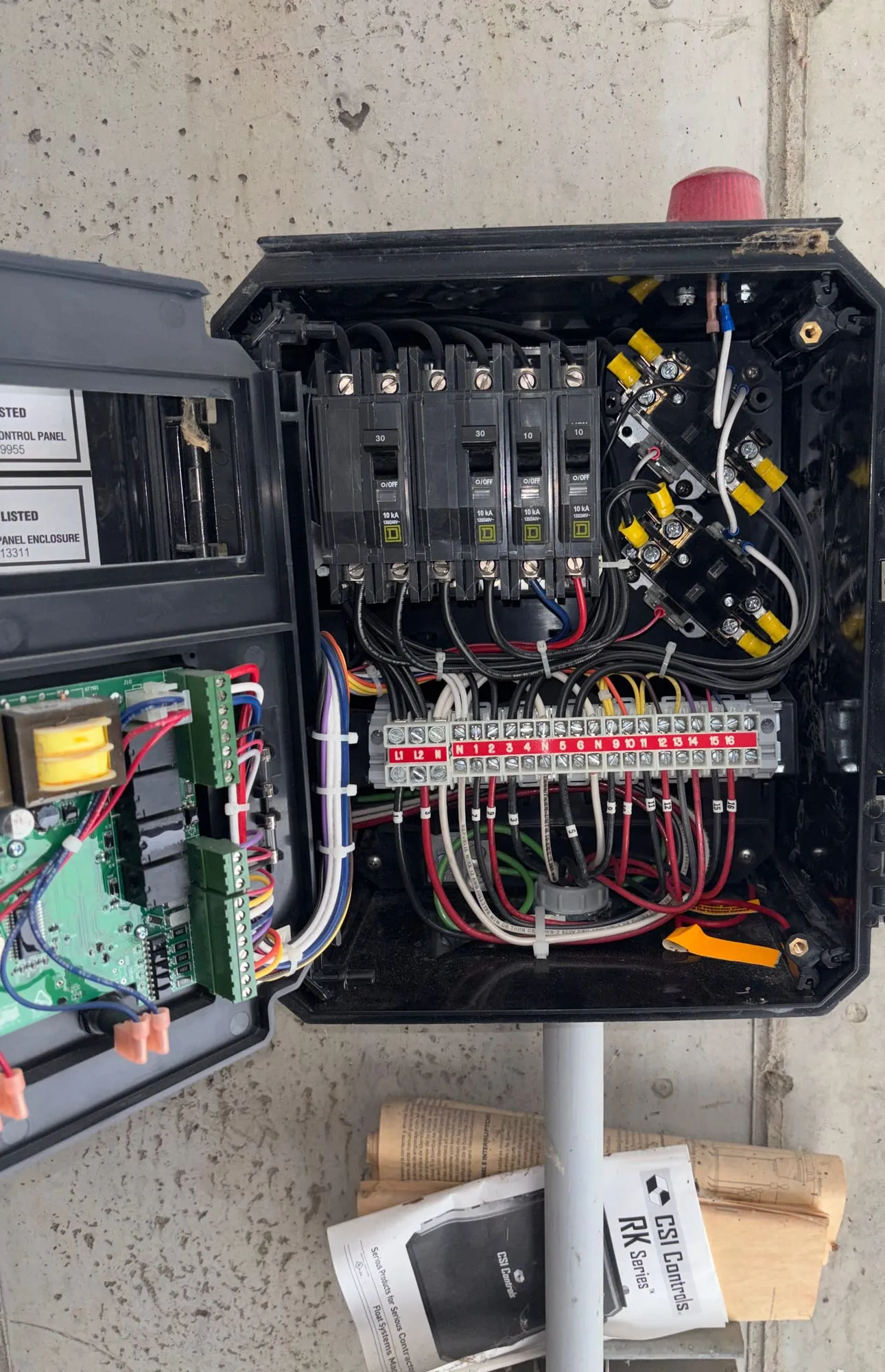
A pump station is more than the pump. There is the basin it sits in, the floats that tell it when to run, the check valve that keeps the water from running back, the control panel and alarm, and the force main that carries it away. Any one of those failing looks the same from inside the house, so all of it gets checked before anyone talks about a new pump.
John works from Fairview Street in Barre across Washington County, on residential grinder pumps and on larger stations serving commercial buildings. He does the diagnosis and the repair himself, and you hear what he found before any parts get ordered.
Call or Text Us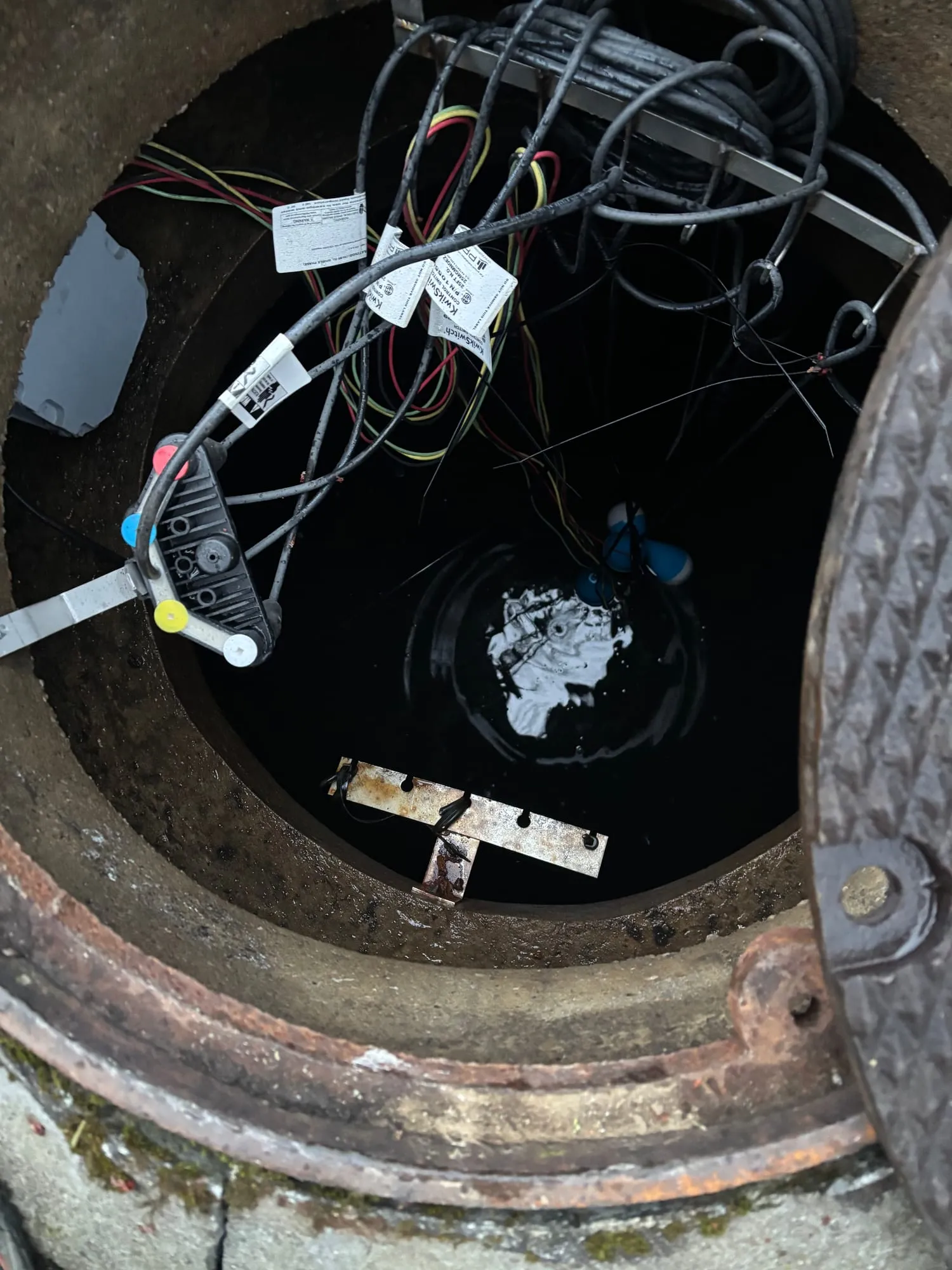
When a Pump Station Needs a Call
A pump station almost always warns you before it fails. The first two on this list are worth a call today.
Worth a call if you have
- The high water alarm is sounding or the panel light is on
- Drains all over the house slowing down at once
- The pump runs without stopping, or starts and stops every few seconds
- A loud hum, grinding or rattling from the basin
- Sewage smell around the basin lid or the panel
- The station has never been serviced, or no one knows when it last was
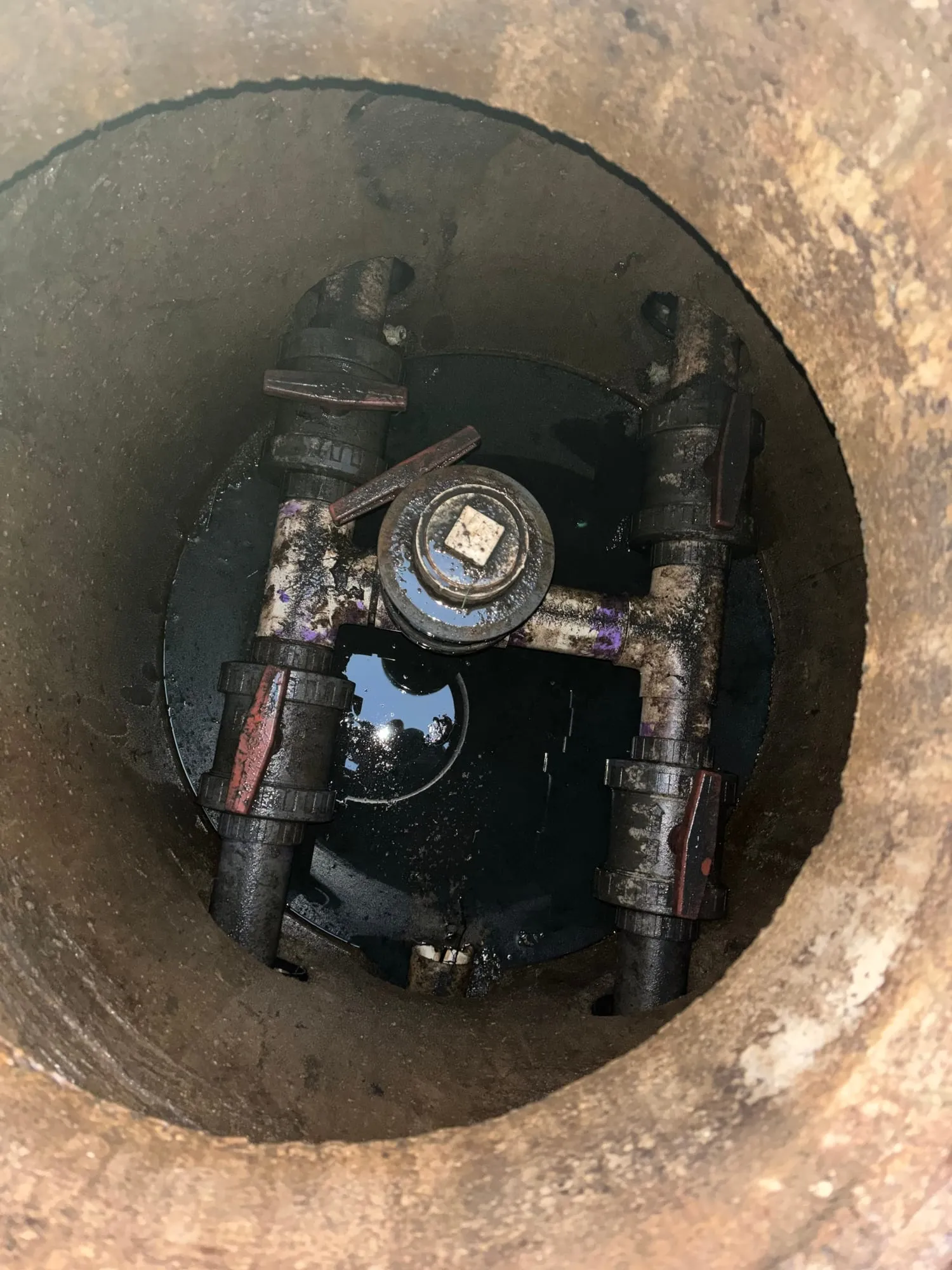
Floats, Valves, Panel, Then the Pump
We start with the alarm and the panel. Is there power, did a breaker trip, and what is the panel telling us. Then the basin gets opened and the level checked. A float hung up on debris or tangled in its own cord is one of the most common failures, and it is fixed on the spot.
Then the check valve and the discharge. A failed check valve lets the basin refill from the line every time the pump shuts off, so the pump runs itself into the ground. A blocked or damaged force main means the pump is pushing against a wall. Both get sorted out before the pump is blamed.
If the pump itself has failed, it gets pulled and repaired or replaced with one matched to the basin and the lift, and the floats get reset so the new one does not fail the same way. Maintenance visits follow the same order on a schedule: clean the floats, check the valves and alarm, and look at the pump before it quits on a holiday weekend.
Call or Text Us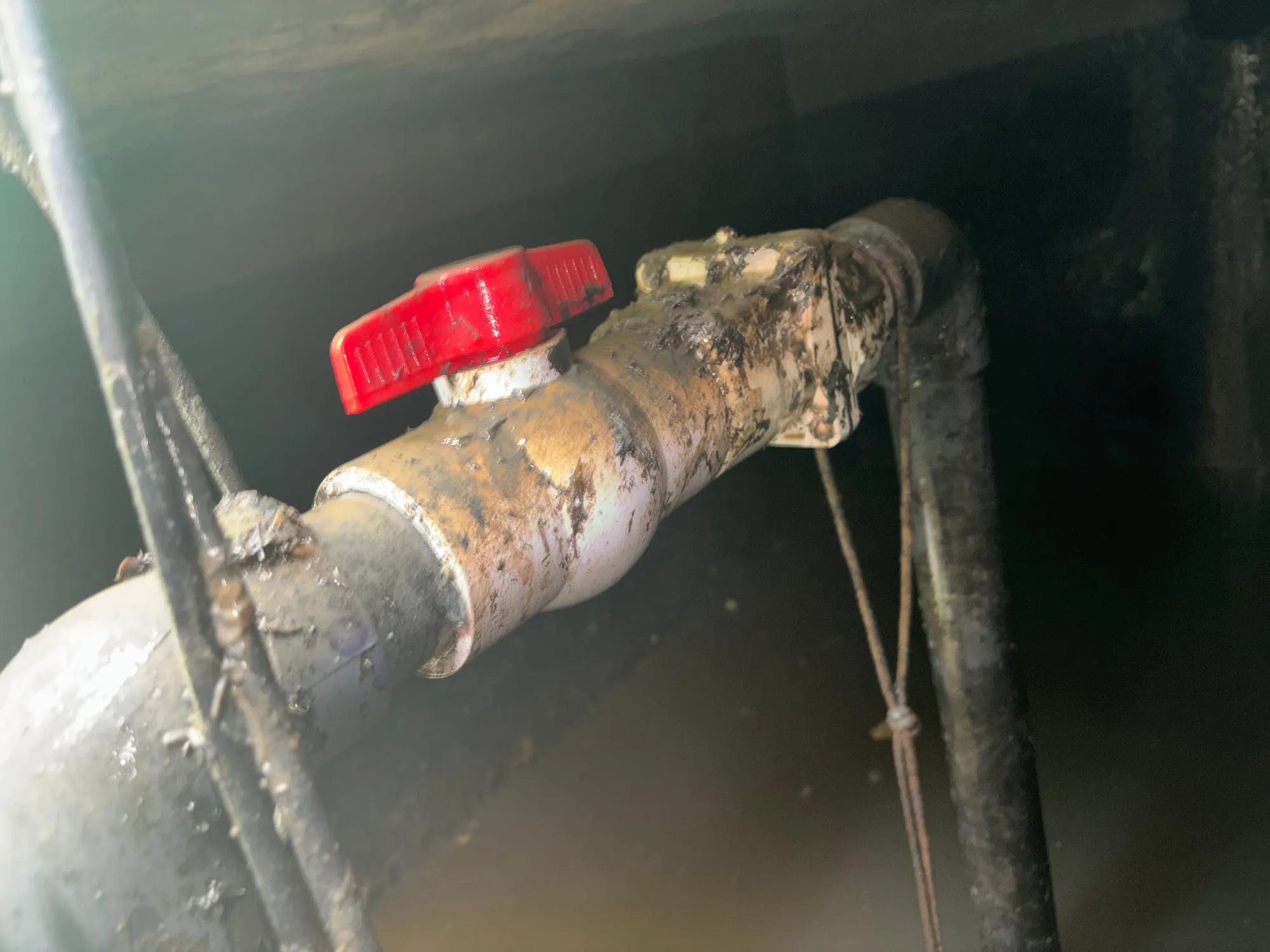
What Moves the Price
What failed and how hard it is to reach. A float or an alarm is parts and a short visit. A check valve is a bit more. A replacement pump is the pump plus the time to pull the old one and set the new one, and that runs with the size of the station and how deep it sits.
Regular maintenance is the cheap version of this job. The expensive version is a failed pump with a full basin, sewage backing toward the house, and a replacement ordered in a hurry. A service visit every year or so costs a small fraction of that.
You get the number before any parts are ordered. Call or text, say what the alarm or the pump is doing, and you will hear what it is likely to be.
Get a Real NumberPump Station Repair, Maintenance & Replacement Across Central Vermont
These are the towns the van is in most weeks. If yours is not listed, call anyway and you will get a straight answer about whether we come out that far. Photographs from real jobs are in the recent work gallery.
- Pump Station Repair, Maintenance & Replacement in Barre
- Pump Station Repair, Maintenance & Replacement in Montpelier
- Pump Station Repair, Maintenance & Replacement in Berlin
- Pump Station Repair, Maintenance & Replacement in Northfield
- Pump Station Repair, Maintenance & Replacement in Williamstown
- Pump Station Repair, Maintenance & Replacement in Waterbury
Questions About Pump Station Repair, Maintenance & Replacement
What should I do when the pump station alarm goes off?
Cut back on water right away: no laundry, dishwasher or showers. The basin has some reserve above the alarm level, but not much. Check that the breaker for the pump has not tripped, then call. Do not open the basin and reach in.
What is the difference between a pump station, a lift station and a grinder pump?
They all move wastewater uphill. Lift station and pump station usually mean the same thing. A grinder pump chops solids up first so they can be pushed through a small pipe, and it is common on single homes that sit below the sewer or the field.
How often should a pump station be serviced?
For most homes, about once a year. Commercial stations and ones that run hard want a shorter interval. A service visit cleans the floats, checks the valves and alarm, and catches a worn pump before it fails.
How long does a sewage pump last?
Commonly seven to fifteen years, depending on the pump, how hard it runs, and what goes down the drains. Wipes and grease shorten that a lot. A pump that has started to hum, trip breakers or run long is telling you it is near the end.
Do you replace whole pump stations?
Yes. Pumps, floats, check valves, control panels and alarms get replaced as parts, and a worn-out station can be replaced as a whole. You will hear which one makes sense before any work starts.
What should never go down a drain that feeds a pump station?
Wipes, even the flushable kind, are the big one. They wrap around floats and jam impellers. Grease, paper towels and feminine products do the same. A pump station handles what a toilet is meant to take and not much more.
What Else We Get Called For
Every one of these is the same pair of hands, from the phone call to the last look at the line.
Drain Cleaning
Sinks, tubs, toilets and main lines. Augering and clearing plugged drains is the bulk of what we do, in homes and in commercial kitchens.
Learn MoreHydro Jetting
High-pressure water for grease, roots and buildup an auger will not shift. Jet pre-treatment certified.
Learn MoreCamera Inspection & Locating
See the problem before anyone digs. We put a camera down the line and mark on the surface exactly where the trouble is.
Learn MoreExcavation & Drain Repair
Repair or replacement of outside drains when the problem is past the point a cable or a jet can reach.
Learn MoreMinor Plumbing Repairs
The small repairs that show up once a drain is open: traps, couplings, a length of line that has given out.
Learn MoreSump Pump Repair
Pumps that quit, run nonstop, or cannot keep up with the spring melt, plus the float and the line they discharge into.
Learn MoreGrease Trap Cleaning
Trap pumping on a schedule for restaurants and commercial kitchens, with the grease line jetted on the same visit.
Learn MoreClogged Toilet Repair
Toilets a plunger will not fix: pulled, cleared and reset, including the ones that have never flushed right.
Learn MoreFrozen Line Thawing
Frozen water service lines and frozen drain, sewer and septic lines thawed and checked for splits, in the weeks when Vermont ground freezes deep.
Learn MoreGarbage Disposal Repair
Disposals that hum, jam, leak or back up into the other basin. Repaired where it makes sense, replaced where it does not.
Learn MoreMain Sewer Line Clog
When every drain in the house backs up at once, the blockage is in the main line, and that is a different job from a slow sink.
Learn More
Tell us what it’s doing. We’ll tell you what it is.
Weekdays 8 to 4, and the same number reaches John after hours and on weekends. Call or text and describe what is happening.
Call (802) 497-7556